Spring Formal: A Complete Guide to Choosing the Perfect Look
Spring brings warmer temperatures, longer days, fresh colors, and a renewed sense of style. Whether you are attending a wedding, graduation, school dance, garden celebration, charity event, or evening reception, choosing the right spring formal outfit means finding a balance between elegance, comfort, and seasonal style. Spring fashion offers plenty of opportunities to experiment with lighter fabrics, fresh colors, floral details, sophisticated silhouettes, and polished accessories.
The ideal formal look should suit the occasion while still reflecting your personality. You do not necessarily need an elaborate gown or expensive accessories. With the right combination of clothing, shoes, jewelry, and outerwear, you can create a sophisticated appearance that feels appropriate for the event and comfortable enough to enjoy throughout the day or evening.
What Does Spring Formal Mean?
Spring formal generally refers to dressing elegantly for a special event taking place during the spring season. The exact dress code can vary depending on the invitation, venue, time of day, and type of event.
A formal spring event may call for:
- A long or midi dress
- An elegant cocktail dress
- A sophisticated jumpsuit
- A tailored suit or coordinated separates
- Dress shoes or refined heels
- Polished accessories
- A lightweight formal jacket or wrap
The phrase does not always mean wearing a floor-length gown. Some events may be more relaxed, while others may require traditional formalwear. Checking the invitation carefully is one of the easiest ways to determine how dressy your outfit should be.
How to Choose the Right Formal Outfit
Before purchasing or styling an outfit, consider several practical factors.
Consider the Event
A wedding, graduation ceremony, formal dinner, and evening gala can each have different expectations. A floor-length gown may be appropriate for a gala but unnecessary for a daytime garden event.
Check the Venue
The location can provide useful clues about what to wear. A ballroom may call for more traditional formalwear, while an outdoor venue may favor lighter fabrics and practical footwear.
Think About the Time of Day
Daytime events often work well with softer colors, lighter fabrics, and less dramatic accessories. Evening occasions allow deeper colors, metallic details, richer textures, and more statement accessories.
Consider the Weather
Spring weather can be unpredictable. A beautiful dress may not be practical if temperatures drop after sunset. Lightweight layers can help you stay comfortable without compromising the appearance of the outfit.
Popular Spring Colors for Formalwear
Spring is associated with fresh and vibrant colors, making it an excellent season to experiment with shades beyond traditional black.
Pastels such as lavender, blush, mint, powder blue, butter yellow, and soft peach can create a delicate seasonal appearance. Richer colors such as emerald, navy, burgundy, and plum can provide more contrast for evening events.
| Color | Style Effect | Suitable For |
|---|---|---|
| Blush pink | Soft and romantic | Weddings and daytime events |
| Lavender | Fresh and feminine | Garden parties and receptions |
| Powder blue | Elegant and understated | Graduations and brunch events |
| Emerald | Rich and sophisticated | Evening celebrations |
| Navy | Classic and versatile | Formal dinners and ceremonies |
| Champagne | Refined and polished | Evening receptions |
| Black | Timeless and dramatic | Formal evening occasions |
Color should also complement your existing wardrobe. If you prefer neutral clothing, you can introduce a seasonal shade through your handbag, shoes, jewelry, or shawl.
Elegant Dress Styles for Spring Events
Dresses remain one of the most popular choices for formal occasions because they offer countless silhouettes and styling possibilities.
Midi Dresses
A midi dress falls below the knee and typically around the mid-calf. It offers a polished appearance while being easier to move around in than some floor-length styles.
A structured midi works well for daytime ceremonies, while a flowing design can create a softer appearance for garden celebrations.
Maxi Dresses
A maxi dress can provide an elegant and dramatic silhouette. Choose breathable materials for daytime outdoor events and consider a slightly more structured design for evening occasions.
When wearing a long dress, footwear becomes especially important. Select shoes that provide enough support for walking and standing.
Wrap Dresses
Wrap-style dresses are versatile because their adjustable construction can create a defined waistline while providing comfortable movement.
Choose a sophisticated fabric and understated accessories for a polished formal appearance.
One-Shoulder and Asymmetrical Styles
Asymmetrical necklines can add visual interest without requiring excessive embellishment. They are especially suitable when you want the outfit itself to make a statement.
Keep accessories relatively simple when the neckline is already dramatic.
Jumpsuits as an Alternative to Dresses
A formal jumpsuit can be an excellent option for someone who prefers trousers to skirts or dresses. Tailored jumpsuits can create a sleek, elongated silhouette while providing freedom of movement.
Look for details such as:
- Wide-leg trousers
- Defined waistlines
- Structured shoulders
- Satin or crepe fabric
- Elegant necklines
- Minimal embellishment
A jumpsuit in navy, black, emerald, or another sophisticated shade can be dressed up with heels and statement earrings.
For outdoor events, consider a cropped or ankle-length design that makes movement easier.
Formal Separates for a Sophisticated Look
Formalwear does not have to consist of one-piece clothing. Coordinated separates can create a stylish and personalized appearance.
A satin blouse with wide-leg trousers is one example. Another option is a tailored blazer worn with a flowing midi skirt.
Separates are particularly useful because individual pieces can be worn again with different outfits. This makes them a practical choice if you prefer building a versatile wardrobe.
Wide-Leg Trousers
Wide-leg trousers can create an elegant silhouette when paired with a fitted or tucked-in top. High-waisted designs can also help create balanced proportions.
Choose a dressy fabric such as satin, crepe, or high-quality suiting material for formal events.
Tailored Blazers
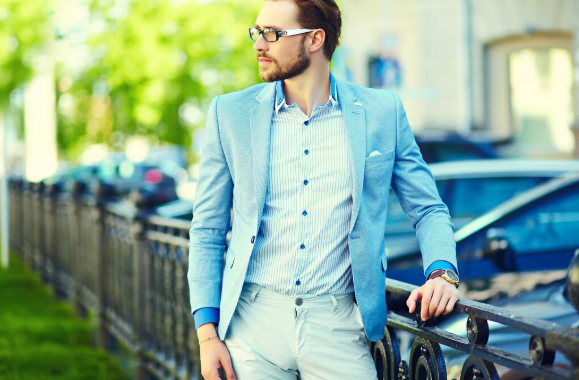
A structured blazer can instantly make an outfit appear more polished. For spring, lighter colors such as cream, beige, pale gray, or soft blue can provide a seasonal alternative to traditional dark tailoring.
Choosing Fabrics for Spring
Fabric can have a major impact on comfort and appearance.
Spring temperatures may vary significantly between daytime and evening, so breathable materials are often useful.
Popular choices include:
- Chiffon
- Satin
- Crepe
- Linen blends
- Lightweight cotton
- Silk
- Fine knit fabrics
Chiffon and similar lightweight materials can create movement in a dress, while satin provides a smooth and elegant finish. Crepe is often useful when you want a structured appearance without choosing a heavy fabric.
For outdoor events, consider fabrics that are comfortable in changing temperatures and easy to maintain.
Shoes for Formal Spring Events
The right shoes complete the outfit while allowing you to remain comfortable.
Heels are a traditional choice, but they are not the only option. Block heels can offer additional stability, while pointed flats can create a polished appearance without adding height.
For outdoor celebrations, very thin heels may be impractical on grass or uneven surfaces. Consider wedges, block heels, or elegant flats instead.
When selecting footwear, consider:
- How much walking is involved
- Whether the event is indoors or outdoors
- The length of the outfit
- Expected weather
- How long you will be standing
A beautiful pair of shoes is only useful if you can comfortably wear them throughout the event.
Accessories That Elevate a Formal Outfit
Accessories can transform a simple outfit into a complete formal look.
Jewelry
Statement earrings can work especially well with simple necklines. If your dress already has intricate details, delicate jewelry may provide better balance.
Pearls, metallic finishes, gemstones, and minimalist designs can all work depending on the outfit.
Handbags
A small clutch or structured evening bag is generally appropriate for formal occasions. Choose a color that complements your clothing rather than competing with it.
Neutral metallics can be especially versatile because they coordinate with many spring colors.
Hair Accessories
Decorative clips, elegant headbands, subtle bows, and floral-inspired accessories can complement a spring event. Keep the scale of the accessory proportional to the rest of the outfit.
Formal Outerwear for Cool Spring Evenings
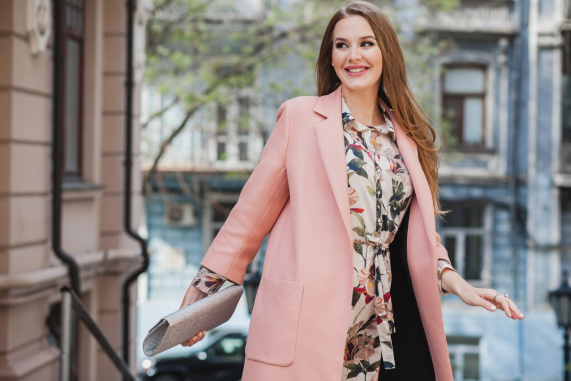
Even when the afternoon is warm, spring evenings can become chilly. A lightweight outer layer can prevent discomfort without disrupting the outfit.
Good options include:
- Cropped formal jackets
- Lightweight blazers
- Shawls
- Wraps
- Tailored coats
- Elegant cardigans
For a dress with a defined waist, a cropped jacket can preserve the silhouette. A wrap or shawl works particularly well with sleeveless evening dresses.
Spring Formal Ideas for Different Events
Different events require different approaches.
| Event | Suggested Outfit | Accessories | Footwear |
|---|---|---|---|
| Spring wedding | Midi or maxi dress | Clutch and delicate jewelry | Heels or dressy flats |
| Graduation | Polished midi dress | Small handbag and simple jewelry | Block heels or flats |
| Garden party | Flowing dress | Light jewelry and small bag | Wedges or flats |
| Formal dinner | Elegant dress or jumpsuit | Statement earrings | Heels |
| Charity gala | Long gown or sophisticated jumpsuit | Clutch and refined jewelry | Formal heels |
| School formal | Cocktail dress or coordinated separates | Small handbag | Dress shoes or heels |
Always consider the event’s stated dress code before making your final choice.
How to Dress for a Garden or Outdoor Event
Outdoor spring events require extra attention to practicality. Uneven ground, changing temperatures, wind, and sunlight can all influence what works best.
A midi dress with comfortable block heels is often easier to manage than a floor-length gown and thin stilettos. A lightweight cardigan or wrap can provide warmth later in the day.
Avoid accessories that are likely to become uncomfortable in windy conditions. Secure hairstyles and practical handbags can also make outdoor celebrations easier.
How to Create a Formal Look on a Budget
Formal events do not always require an expensive new wardrobe.
Start by checking what you already own. A simple dress can look completely different when paired with new accessories or a tailored jacket.
Budget-friendly ideas include:
- Rewearing a neutral dress with different accessories
- Choosing separates that can be worn independently
- Borrowing a statement handbag for one occasion
- Investing in versatile shoes
- Shopping for classic silhouettes instead of short-lived trends
- Adding jewelry to a simple outfit
- Choosing a dress that works for multiple events
A versatile outfit can provide more long-term value than a highly specialized piece.
Common Styling Mistakes to Avoid
Ignoring the Dress Code
Always read the invitation carefully. Dressing significantly more casually or formally than expected can make you feel uncomfortable throughout the event.
Wearing Inappropriate Footwear
Outdoor venues and long ceremonies require shoes that support your feet. Consider practicality alongside appearance.
Over-Accessorizing
Too many statement pieces can make an outfit appear visually crowded. If your clothing has dramatic details, use simpler accessories.
Forgetting an Outer Layer
Spring temperatures can change quickly. A lightweight formal layer can make an otherwise perfect outfit much more comfortable.
Choosing Trends Over Personal Comfort
Trendy clothing can be fun, but comfort and confidence matter. Select silhouettes that allow you to move, sit, walk, and socialize comfortably.
Key Points to Remember
- Check the invitation and dress code before selecting your outfit.
- Consider the venue and time of day.
- Spring allows you to experiment with both pastel and deeper colors.
- Choose breathable fabrics when temperatures are warmer.
- Keep a lightweight outer layer available for cool evenings.
- Consider comfortable footwear, especially for outdoor events.
- Jumpsuits and tailored separates are excellent alternatives to dresses.
- Accessories should complement rather than overwhelm the outfit.
- Choose versatile pieces when shopping on a budget.
- Personal comfort and confidence should remain central to your styling decisions.
Final Thoughts
Creating a polished spring event outfit is about combining seasonal style with the requirements of the occasion. Fresh colors, lightweight fabrics, elegant silhouettes, and thoughtful accessories can help create a sophisticated appearance without making the outfit feel overly complicated.
Whether you choose a flowing maxi dress, tailored jumpsuit, elegant midi, or coordinated separates, focus on fit, comfort, and balance. Consider the venue, weather, dress code, and length of the event before making your final choices. With a thoughtful approach, you can create a formal spring wardrobe that feels stylish, practical, and suitable for a wide range of celebrations.
FAQs
1. What should I wear to a formal spring wedding?
A polished midi or maxi dress, sophisticated jumpsuit, or elegant coordinated outfit can work well. Consider the wedding venue, time of day, and stated dress code before choosing your final look.
2. Are pastel colors appropriate for formal events?
Yes. Soft shades such as lavender, blush, powder blue, mint, and peach can create an elegant seasonal appearance when paired with refined fabrics and accessories.
3. Can I wear trousers to a spring formal event?
Yes. Tailored wide-leg trousers paired with a dressy blouse or structured blazer can create a sophisticated formal outfit. A coordinated suit is another option.
4. What shoes work best for outdoor spring events?
Block heels, wedges, dressy flats, and other stable footwear are often practical for outdoor venues. Consider the surface and amount of walking before selecting your shoes.
5. How can I stay warm at a spring evening event?
Bring a lightweight blazer, shawl, wrap, cropped jacket, or tailored coat. Choose an outer layer that complements the color and silhouette of your main outfit.